Plug Socket Not Working? Causes, Safe Fixes & Cost | Home Electrician Service
Plug Socket Not Working? Safe Fixes, Common Causes, and When to Call an Electrician
Updated October 2026
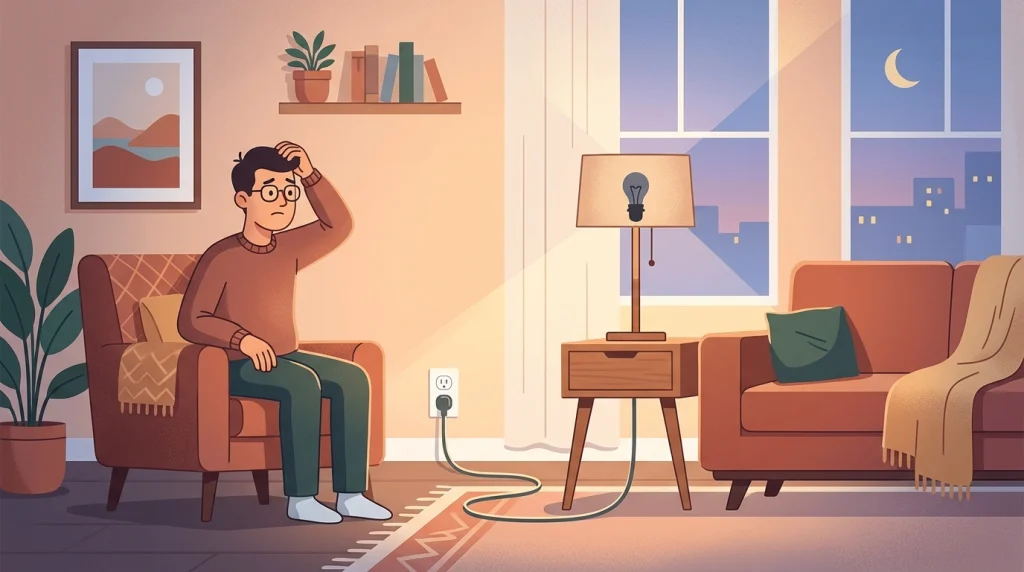
Is your plug socket not working right when you need it most? A dead socket can shut down a phone charger, a TV, a kettle, or your whole home office in a second. It can also be hard to tell whether it’s a ten-second fix or a hidden wiring fault.
Click the Call Now button below and we’ll connect you with an independent, licensed electrician in your area. Or keep reading to find the likely cause and the safe checks you can try first.
Free to call. Electricians are independent, licensed professionals who give their own quotes. Coverage varies by area, so tell us your location.
Stop and read this first. If the socket is warm, discolored, buzzing, crackling, or smells burnt, don’t use it. Turn off its breaker if you can reach the panel safely. If there is smoke or fire, leave the building and call 911 first.
Why a Dead Socket Is More Than an Annoyance
Most homeowners shrug off a dead outlet at first. They plug the lamp into another room and move on. That’s understandable, but it isn’t always wise.
Sometimes a socket stops working because of something harmless, like a tripped safety device. Other times the cause is a loose or burnt connection that can build up heat behind the wall.
Here are the pain points we hear most from homeowners:
- “I don’t know if it’s dangerous.” A dead socket gives no warning about why it died.
- “I’m afraid of the price.” People worry that a small problem will turn into a big bill.
- “I can’t tell who to trust.” It’s hard to know which electrician is licensed and honest.
- “I need it fixed fast.” A dead socket in a kitchen, nursery, or home office disrupts the whole day.
This guide speaks to all four. You’ll learn the likely causes, what’s safe to check yourself, what it usually costs, and how to get a licensed electrician without guesswork.
Why Is My Plug Socket Not Working? 9 Common Causes
A socket can fail for several reasons. Some are in the socket itself. Others are elsewhere on the circuit. Here are the most common ones, roughly from easiest to hardest to fix.
1. The Device Itself Is Faulty
Before you blame the wall, test the device. A worn cord, a blown fuse in the plug, or a dead charger can look exactly like a dead outlet. Plug a lamp you know works into the same socket.
2. A Wall Switch Controls the Socket
In many homes, one socket (or half of one) is wired to a wall switch, so a lamp can be turned on from the door. If the switch is off, that socket is dead. Flip every switch in the room to check.
3. A Tripped GFCI Outlet Somewhere Else
One GFCI outlet can protect several other sockets down the line, sometimes in different rooms. When it trips, the others go dead too. Check bathrooms, the kitchen, the garage, the basement, and outdoor outlets.
4. A Tripped Circuit Breaker
An overload or short circuit makes the breaker trip. The lever often rests in the middle position, so it can look almost “on.” If it trips again right after you reset it, there’s a real fault, and it needs an electrician.
5. A Tripped AFCI Breaker
Arc-fault (AFCI) breakers shut off power when they detect dangerous arcing, often from a damaged cord or loose wiring. A repeat trip is a warning sign, not a nuisance.
6. A Blown Fuse in an Older Home
If your home still has a fuse box, a blown fuse cuts power to its circuit. Only replace it with the same amperage. Never fit a larger fuse, because that removes the protection and creates a fire risk.
7. A Loose or Failed “Backstab” Connection
Many sockets are wired by pushing the wire into a hole on the back, instead of under a screw. Over the years, those spring contacts can loosen, overheat, and fail. This is one of the most common hidden causes, and it needs a professional.
8. A Worn-Out or Burnt Socket
The metal contacts inside wear out with use. Plugs start to fall out or make poor contact. Heat damage leaves brown or black marks around the slots. The fix is usually a quick replacement, but the cause of the damage should be checked.
9. Damaged Wiring or a Break Upstream
Sockets are often wired one after another. If one connection earlier in the chain loosens, every socket after it can lose power. A nail through a cable, a rodent, a remodel, or a water leak can also break the circuit.
Need It Checked Today? Click the Call Button
If you’ve tried the simple checks and the socket is still dead, don’t keep guessing. Click the Call Now button below, tell us what’s happening, and we’ll connect you with a licensed electrician who can trace the fault.
Safe Checks You Can Try First
Work through these in order. Stop as soon as the power returns, or as soon as you notice a warning sign.
- Test the device. Plug a lamp you know works into the socket. If it lights up, the original device was the problem.
- Flip nearby wall switches. The socket may be switched.
- Reset every GFCI outlet you can find. Press TEST, then RESET firmly.
- Check the panel. Look for a breaker in the middle or OFF position. Push it fully OFF, then back ON. If you have fuses, look for a blown one.
- Test other sockets nearby with a lamp. Note which are dead. The pattern helps an electrician find the break.
- Look, don’t touch. Check for scorch marks, melted plastic, or a burnt smell. If you see any, leave the breaker off.
- Stop there. If the socket is still dead, don’t open it. Wires can still be live, and the real fault may be behind the wall.
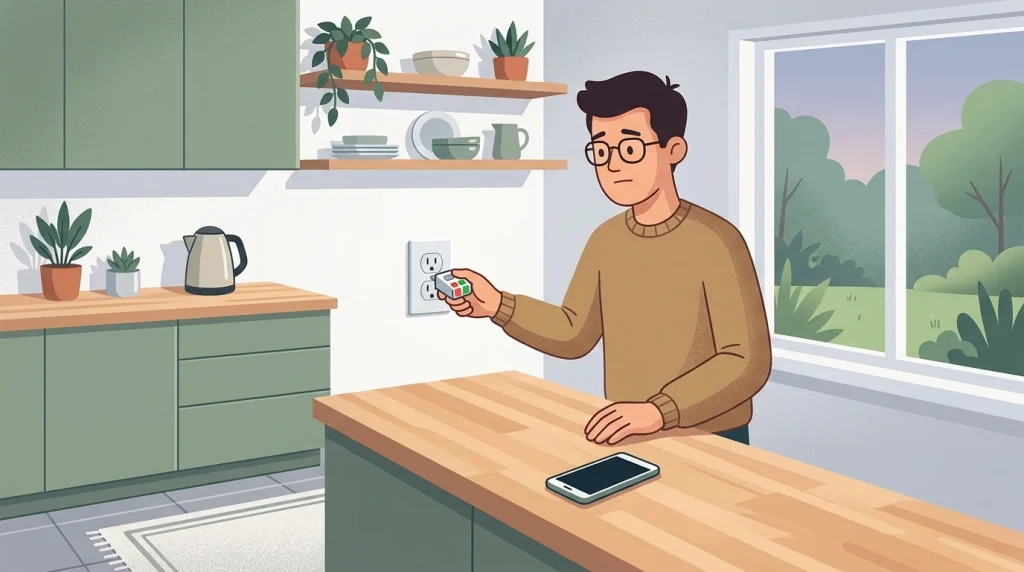
Tip: a cheap plug-in socket tester is useful on sockets that still work. It can reveal wiring faults like an open ground. On a plug socket not working at all, it will show nothing, and that is useful information too.
Warning Signs: Stop Using the Socket
Some symptoms mean the problem is more than a dead socket. If you notice any of these, stop using the socket and call a licensed electrician.
| What you notice | What it can mean | What to do |
|---|---|---|
| Warm or hot cover plate | A loose or overheating connection | Turn off the breaker and call right away |
| Burning smell or scorch marks | Heat damage or arcing | Leave the area. Call 911 if there is smoke |
| Buzzing or crackling | Arcing at a loose connection | Turn off the circuit and call |
| Sparks when plugging in | Worn contacts or a fault | Stop using it and call |
| Breaker trips repeatedly | Short circuit, ground fault, or overload | Leave it off and call |
| Several sockets dead, no tripped device | A break in the circuit upstream | Call an electrician to trace it |
Why a Loose Connection Is the Sneaky Culprit
A breaker only reacts to too much current. A loose connection doesn’t draw extra current, so the breaker never trips.
Instead, the poor contact creates resistance and heat. That heat can damage the socket, the wire insulation, and the box over time.
That’s why a plug socket not working with a perfectly normal-looking panel deserves attention. It’s also why electricians test the circuit and open the box, instead of simply swapping the socket and leaving.
What a Licensed Electrician Actually Does
Knowing what happens on a visit takes away much of the worry. A good repair usually follows these steps:
- A few questions. When it stopped, which sockets are affected, and what changed recently, such as a storm, a remodel, or a new appliance.
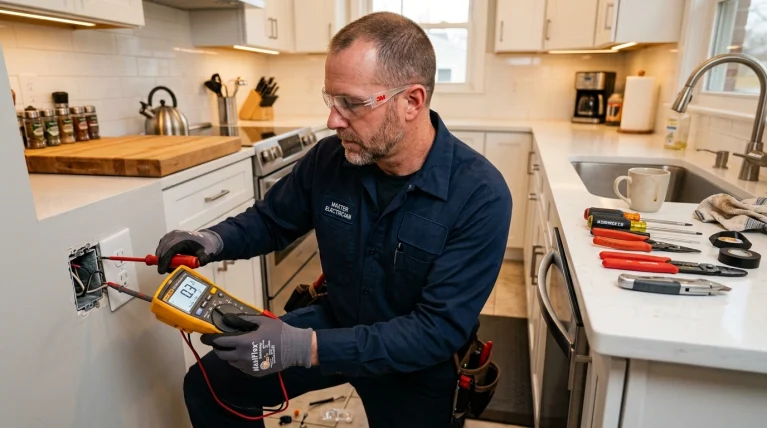
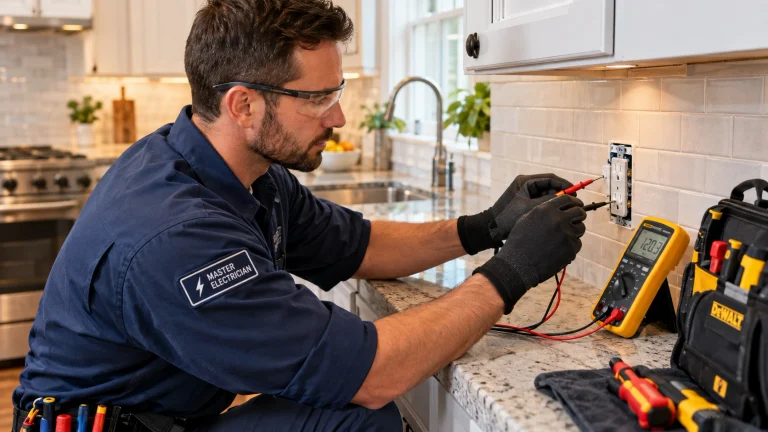
- Testing. The electrician checks the breaker and GFCI devices with a meter, instead of trusting the handle position.
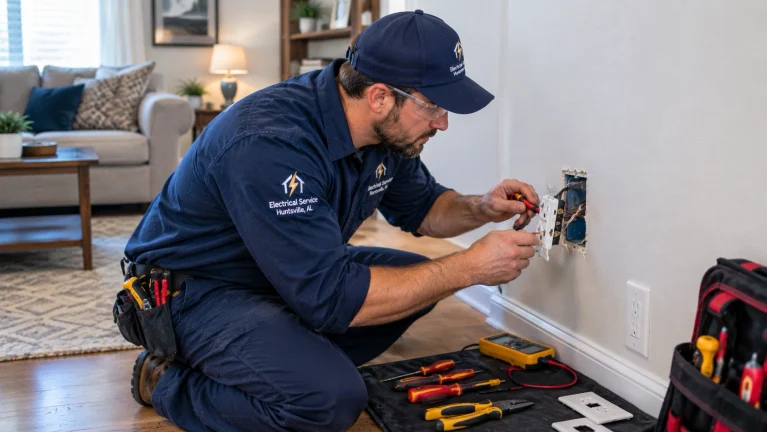
- Power off and inspection. They shut off the circuit, confirm it’s dead, and open the box to look for loose wires, backstab failures, and heat damage.
- Repair. Usually that means remaking the connection and replacing the socket. Sometimes it means replacing a GFCI or breaker, or repairing damaged wiring.
- Retesting. They restore power and confirm the socket, the grounding, and any GFCI or AFCI protection all work.
How Much Does It Cost to Fix a Dead Socket?
Prices vary by area, by the electrician, and by what’s behind the wall. These are typical U.S. ranges for planning, not quotes. Your electrician will give you the real price before work begins.
| Repair | Typical cost |
|---|---|
| Reset a GFCI or breaker yourself | $0 |
| Service call or diagnosis | $100 – $250 |
| Replace a standard socket | $100 – $250 |
| Replace a GFCI socket | $100 – $300 |
| Replace a breaker | $150 – $400 |
| Repair damaged wiring inside a wall | Quote required (varies widely) |
Estimates only. Older wiring, hard-to-reach areas, and multiple sockets can cost more. Many electricians charge less per socket when several are done in one visit.
Want more detail on repair steps and costs? See our guide to an electrical outlet not working.
Ready to Get a Written Quote? Tap the Call Button
You shouldn’t have to wonder what a repair will cost or who is coming into your home. Tap the Call Now button below, describe the problem, and we’ll match you with a licensed electrician who gives you a written price before work starts.
How to Know You Can Trust the Electrician
Trust is the biggest worry for most homeowners, and a few quick checks protect you. We’re a referral service. We don’t employ the electricians, and we connect you with independent, licensed professionals in your area. You hire and pay the electrician directly.
Whoever you hire, these steps apply:
- Ask for the license number and verify it with your state’s licensing board.
- Ask for proof of insurance. Liability coverage protects your home if something goes wrong.
- Get the price in writing before work begins, and know what it includes.
- Ask whether they’ll find the cause, not just replace the part.
- Ask about a warranty on parts and labor.
For a quick checklist, see our guide to choosing a home electrician service.
Can You Fix It Yourself?
Some checks are safe for any homeowner: testing a lamp, flipping switches, resetting GFCI outlets, and re-setting a breaker. That often solves a plug socket not working because of a tripped device.
Opening the socket is different. Wires can stay live even when the socket looks dead, and the real fault may be hidden behind the wall. If you aren’t trained, call a licensed electrician. Local rules on DIY electrical work also vary.
If the breaker keeps tripping, see our guide on an outlet that stopped working when the breaker isn’t tripped, which explains why a socket can die without anything looking wrong at the panel.
How to Avoid Dead Sockets in the Future
- Don’t overload sockets or daisy-chain power strips.
- Test GFCI outlets monthly with the TEST and RESET buttons.
- Replace sockets that are loose, cracked, or discolored.
- Use appliance-rated cords, and don’t pinch cords behind furniture.
- Be cautious with older homes that have two-prong outlets or a fuse box.
- Consider an electrical safety inspection if sockets keep failing or your home is more than 30 years old.
How It Works
- Click the Call Now button and tell us where the dead sockets are and what you’ve tried.
- We check coverage and match you with an independent licensed electrician who serves your area, if we have one.
- Get a written quote after the electrician tests the circuit.
- Hire them directly if you’re happy with the price and timing.
We’re expanding coverage area by area. In North Alabama, see our guide to a local electrician in Huntsville.
Frequently Asked Questions
Why is my plug socket not working but the breaker hasn’t tripped?
Check for a tripped GFCI outlet elsewhere on the circuit and for a wall switch that controls the socket. If neither is the cause, a loose or failed connection, or a worn socket, is likely. An electrician can test it safely.
Is a dead socket dangerous?
It depends on the cause. A tripped GFCI is usually harmless. A loose or damaged connection can overheat. If the socket is warm, discolored, buzzing, or smells burnt, stop using it and call an electrician.
How much does it cost to repair a socket?
Replacing a standard socket often costs about $100 to $250, and a GFCI socket is often $100 to $300. Wiring repairs cost more. Ask for a written quote before work starts.
Can I replace a socket myself?
You can safely test devices, flip switches, and reset GFCIs and breakers. Replacing the socket means working near live wiring and may uncover a hidden fault, so call a licensed electrician unless you’re trained.
Are the electricians licensed and insured?
We refer you to independent electricians who are licensed to work in their state. Ask for their license number and proof of insurance, and verify the license with your state board.
Don’t Live With a Plug Socket Not Working
A dead socket is easy to ignore and hard to diagnose. The simple checks are worth a few minutes. If they don’t bring the power back, or you notice heat, noise, or a burnt smell, it’s time for a professional.
Whether it’s a single dead socket or several, a licensed electrician can find the cause, fix it safely, and leave you with a clear price. Click the Call Now button below to get started today.